
Why Commercial Security Systems Are Essential for Businesses: Business Security Solutions That Protect and Empower

In today’s fast-paced and often unpredictable business environment, safeguarding assets, employees, and data is more critical than ever. Businesses face a variety of risks, from theft and vandalism to cyber threats and workplace violence. Implementing effective business security solutions is no longer optional but a necessity for companies aiming to thrive and maintain trust with customers and partners. This article explores why investing in robust security measures is essential and how modern commercial security systems can provide comprehensive protection tailored to business needs.
The Importance of Business Security Solutions in Protecting Assets
Every business, regardless of size or industry, holds valuable assets that require protection. These assets include physical property, inventory, sensitive information, and even intellectual property. Without proper security measures, businesses expose themselves to significant financial losses and operational disruptions.
Key reasons why business security solutions are vital:
Preventing Theft and Vandalism: Retail stores, warehouses, and offices are common targets for theft. Security cameras, alarm systems, and access controls deter criminals and help identify perpetrators.
Protecting Sensitive Data: Many businesses handle confidential customer and employee information. Security systems integrated with cybersecurity measures help prevent data breaches.
Ensuring Employee Safety: A secure workplace reduces the risk of violence or accidents, fostering a safe environment that boosts morale and productivity.
Maintaining Business Continuity: Security solutions minimize downtime caused by incidents, ensuring smooth operations and customer satisfaction.
For example, a retail business that installs surveillance cameras and alarm systems can reduce shoplifting incidents significantly. Similarly, an office equipped with controlled access points and monitoring systems can prevent unauthorized entry and protect sensitive documents.

Exploring Effective Business Security Solutions for Various Industries
Business security solutions vary widely depending on the industry, size of the company, and specific risks involved. However, some core components are common across most sectors:
Surveillance Cameras: High-definition cameras with night vision and remote monitoring capabilities provide real-time visibility and evidence collection.
Alarm Systems: Intrusion alarms alert security personnel or law enforcement immediately when unauthorized access is detected.
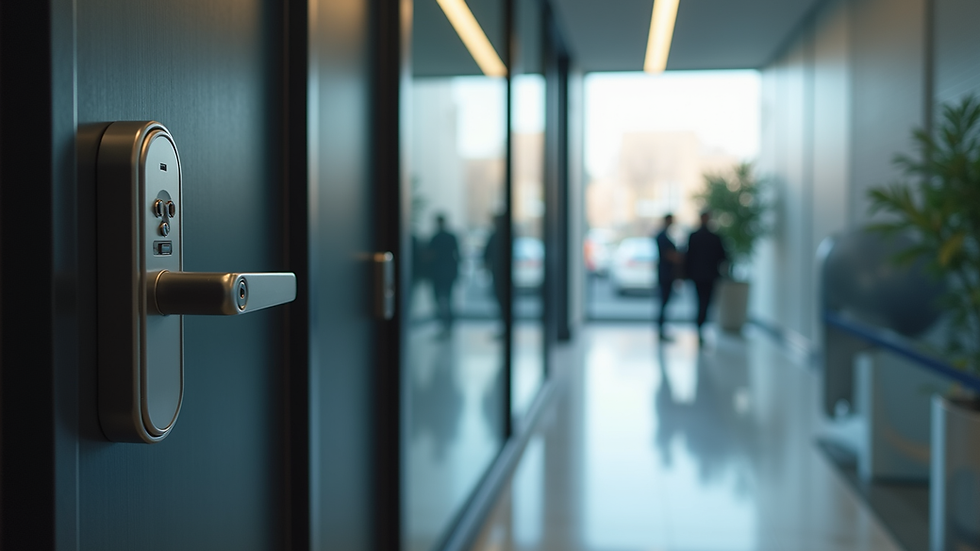
Access Control Systems: These include key cards, biometric scanners, and PIN codes to restrict entry to authorized personnel only.
Fire and Safety Systems: Smoke detectors, fire alarms, and emergency response systems protect against fire hazards.
Cybersecurity Measures: Firewalls, encryption, and secure networks protect digital assets from hacking and data theft.
Businesses in retail, manufacturing, healthcare, and finance often require customized security solutions that address their unique challenges. For instance, healthcare facilities must comply with strict regulations regarding patient privacy, making secure data handling a priority. Manufacturing plants may focus more on perimeter security and monitoring hazardous areas.
Actionable recommendation: Conduct a thorough security risk assessment to identify vulnerabilities and tailor solutions accordingly. Partnering with a professional security provider ensures the implementation of the most effective and up-to-date technologies.

How much is an ADT commercial?
Understanding the cost of commercial security systems is crucial for budgeting and planning. ADT, a well-known security provider, offers various commercial security packages tailored to different business sizes and needs. The pricing depends on factors such as:
Type and number of devices: Cameras, sensors, control panels, and other equipment.
Installation complexity: Larger or more complex sites require more labor and time.
Monitoring services: Professional monitoring adds monthly fees but enhances response times.
Contract length: Longer contracts may offer discounted rates.
Typically, ADT commercial security systems start at a few hundred dollars for basic setups and can go up to several thousand dollars for comprehensive solutions. Monthly monitoring fees usually range from $30 to $100 or more, depending on the level of service.
Example: A small retail store might pay around $500 for installation and $40 per month for monitoring, while a large warehouse could invest $5,000 upfront with $100 monthly fees.
Tip: Request detailed quotes from multiple providers and compare services, warranties, and customer support before making a decision.
The Role of Technology in Enhancing Business Security Solutions
Advancements in technology have revolutionized how businesses protect their assets. Modern security systems integrate smart features that improve efficiency and responsiveness:
Remote Monitoring: Business owners and security teams can access live feeds and alerts via smartphones or computers, enabling quick action from anywhere.
Artificial Intelligence (AI): AI-powered cameras can detect unusual behavior, recognize faces, and reduce false alarms.
Cloud Storage: Video footage and data are securely stored in the cloud, ensuring easy access and protection against physical damage.
Integration with Other Systems: Security solutions can be linked with lighting, HVAC, and emergency systems for coordinated responses.
These innovations not only enhance security but also provide valuable insights into business operations, such as customer traffic patterns or employee attendance.
Practical advice: Invest in scalable and flexible security technology that can grow with your business and adapt to emerging threats.
Building a Culture of Security Awareness in the Workplace
While technology plays a significant role, human factors are equally important in maintaining a secure business environment. Employees should be trained to recognize security risks and follow protocols diligently.
Steps to foster security awareness:
Conduct regular training sessions on security policies and emergency procedures.
Encourage reporting of suspicious activities without fear of retaliation.
Implement clear guidelines for handling sensitive information and access credentials.
Promote a culture where security is seen as everyone’s responsibility.
By combining technology with informed and vigilant staff, businesses create a robust defense against potential threats.
Investing in commercial security systems is a strategic decision that protects businesses from a wide range of risks. From preventing theft and safeguarding data to ensuring employee safety and maintaining operational continuity, these systems provide peace of mind and a competitive edge. By choosing the right business security solutions, leveraging modern technology, and fostering a security-conscious culture, companies can secure their future and focus on growth with confidence.


Comments