
Enhance Safety with Business Security Systems

In today’s fast-paced commercial environment, ensuring the safety and security of business premises is more critical than ever. With increasing risks such as theft, vandalism, and unauthorized access, investing in robust business security systems is a strategic move that protects assets, employees, and customers. This article explores how modern security solutions can enhance safety, offering practical insights and recommendations for businesses aiming to safeguard their operations effectively.
Understanding the Importance of Business Security Systems
Business security systems are designed to provide comprehensive protection tailored to the unique needs of commercial properties. These systems integrate various technologies such as surveillance cameras, access control, alarm systems, and fire detection to create a secure environment.
Key benefits include:
Deterrence of criminal activity: Visible security measures discourage potential intruders.
Real-time monitoring: Immediate alerts enable quick response to incidents.
Access management: Control who enters and exits the premises.
Compliance: Meet safety regulations and insurance requirements.
For example, a retail store equipped with surveillance cameras and an access control system can monitor customer flow and restrict entry to sensitive areas like stockrooms. Similarly, office buildings benefit from fire alarm systems that provide early warnings, minimizing damage and ensuring occupant safety.
Choosing the Right Business Security Systems for Your Needs
Selecting the appropriate security system depends on several factors including the size of the property, type of business, and specific security challenges faced. Here are some essential components to consider:
Security Camera Systems: High-definition cameras with night vision and remote access capabilities allow continuous monitoring. Position cameras at entry points, parking lots, and critical internal areas.
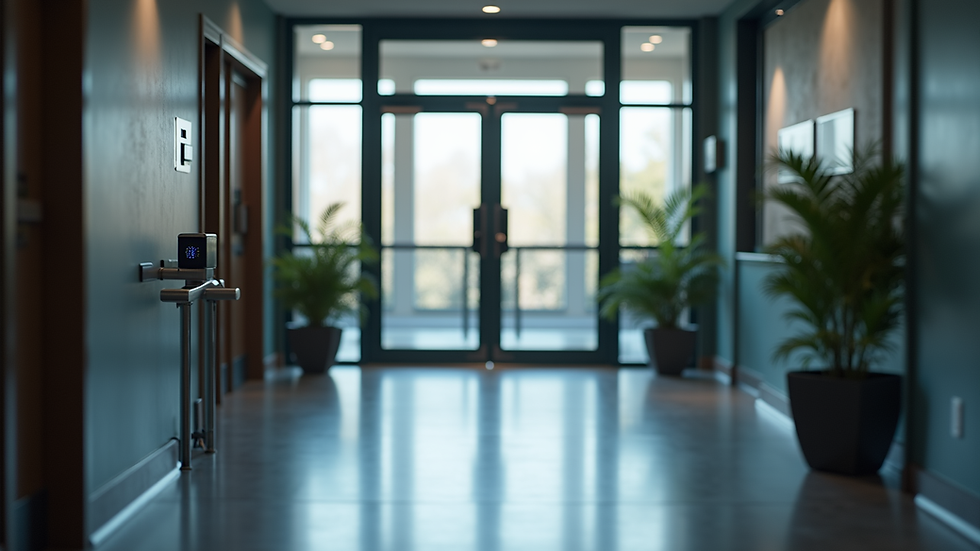
Access Control Systems: Use key cards, biometric scanners, or PIN codes to restrict access to authorized personnel only.
Fire Alarm Systems: Early detection of smoke or fire is vital. Systems should be regularly tested and maintained to ensure reliability.
Intrusion Alarms: Motion detectors and glass break sensors alert security teams to unauthorized entry.
Gate Systems: Automated gates provide an additional layer of perimeter security, especially for warehouses or large facilities.
Cabling and Low Voltage Installations: Proper wiring ensures system stability and integration of all components.
A practical approach is to conduct a security audit to identify vulnerabilities and tailor solutions accordingly. For instance, a construction site may prioritize gate systems and surveillance cameras, while an office complex might focus on access control and fire alarms.

Integrating these elements into a cohesive commercial security systems package ensures seamless operation and maximizes protection.
Who is better, CPI or ADT?
When it comes to choosing a security provider, many businesses compare well-known companies like CPI and ADT. Both offer comprehensive security solutions, but their strengths vary depending on specific business needs.
CPI Security: Known for personalized service and flexible packages, CPI often appeals to small and medium-sized businesses. Their local presence allows for quicker response times and tailored installations.
ADT: As a large national provider, ADT offers extensive resources, advanced technology, and nationwide monitoring services. They are well-suited for larger enterprises requiring scalable solutions.
Decision-makers should evaluate factors such as contract terms, customer support, technology options, and pricing. Requesting demonstrations and reading customer reviews can provide valuable insights. Ultimately, the best choice aligns with the business’s security goals and budget.
Practical Tips for Maintaining and Upgrading Security Systems
Installing a security system is only the first step. Ongoing maintenance and timely upgrades are essential to ensure continued effectiveness.
Regular Testing: Schedule routine inspections of fire alarms, cameras, and access controls to detect malfunctions early.
Software Updates: Keep system software current to protect against cyber threats and improve functionality.
Training Staff: Educate employees on security protocols and emergency procedures.
Expand Coverage: As the business grows, consider adding new cameras, sensors, or access points.
Professional Support: Engage certified technicians for repairs and system enhancements.
For example, a retail chain might implement quarterly fire alarm testing and annual security audits to maintain compliance and operational readiness.
Enhancing Safety Beyond Technology
While technology plays a crucial role, a holistic approach to safety includes physical security measures and policies.
Lighting: Well-lit parking lots and entrances reduce hiding spots for intruders.
Signage: Clear signs indicating surveillance and restricted areas act as deterrents.
Emergency Plans: Develop and communicate evacuation and lockdown procedures.
Visitor Management: Use sign-in systems and badges to track guests.
Combining these strategies with advanced security systems creates a safer environment that protects people and property alike.
Investing in comprehensive business security systems is a proactive step toward safeguarding commercial assets and ensuring operational continuity. By understanding the components, choosing the right solutions, and maintaining them diligently, businesses can create a secure foundation that supports growth and peace of mind.


Comments